

Abdominal ultrasound
What does it consist of?
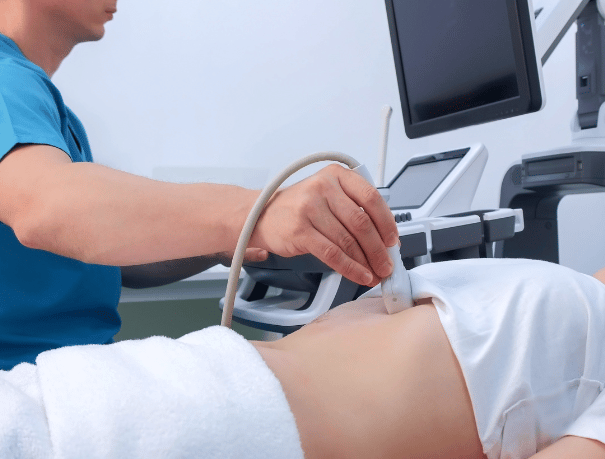
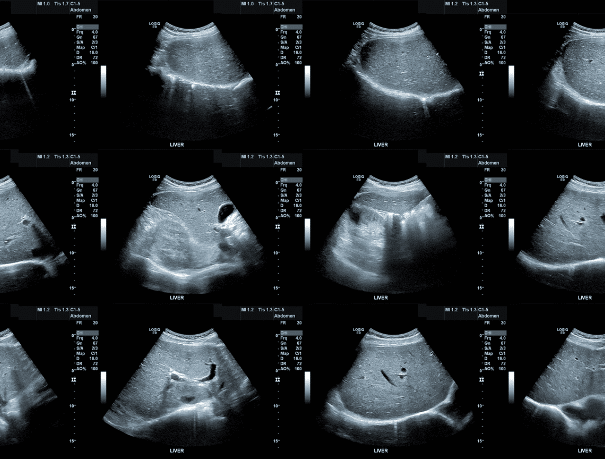
During the examination, the specialist moves the transducer over the part of the body to be studied, having previously applied a gel. This transducer sends sound waves (ultrasound) that “bounce” off different organs and tissues, forming the image.
Cases in which it is recommended
To whom?
Your doctor may recommend an abdominal ultrasound in the following cases:
- Determine the cause of abdominal pain or bloating.
- Monitor and control kidney stones, liver diseases and tumors, among other conditions.
- Evaluate the possible risk of suffering an abdominal aortic aneurysm.
Instructions
How should you prepare?
You must go fasting solid 6 hours.

Medical professionals
The specialists who will assist you at CreuBlanca
A team of professionals to take care of you.







CreuBlanca centers
Find your nearest CreuBlanca center

Barcelona
Clinic CreuBlanca

Barcelona
CreuBlanca Tarradellas
Barcelona
Diagnosis Médica
Related articles
CreuBlanca's blog
You will find advice from our professionals on how to improve your health and information on the latest technologies applied in the medical health sector.
 Diagnostic Tests
27 Oct 2026
3 Min
When should you get a cardiac check-up?
Cardiovascular health is the cornerstone of our overall well-being. A cardiac check-up is a comprehensive medical evaluation designed to assess the condition of the heart and blood vessels, enabling early detection of arrhythmias, hypertension, heart murmurs, or coronary artery disease risk before a major complication occurs.
 Diagnostic Tests
20 Oct 2026
3 Min
Magnetic Resonance Imaging (MRI): What it detects and when it is indicated
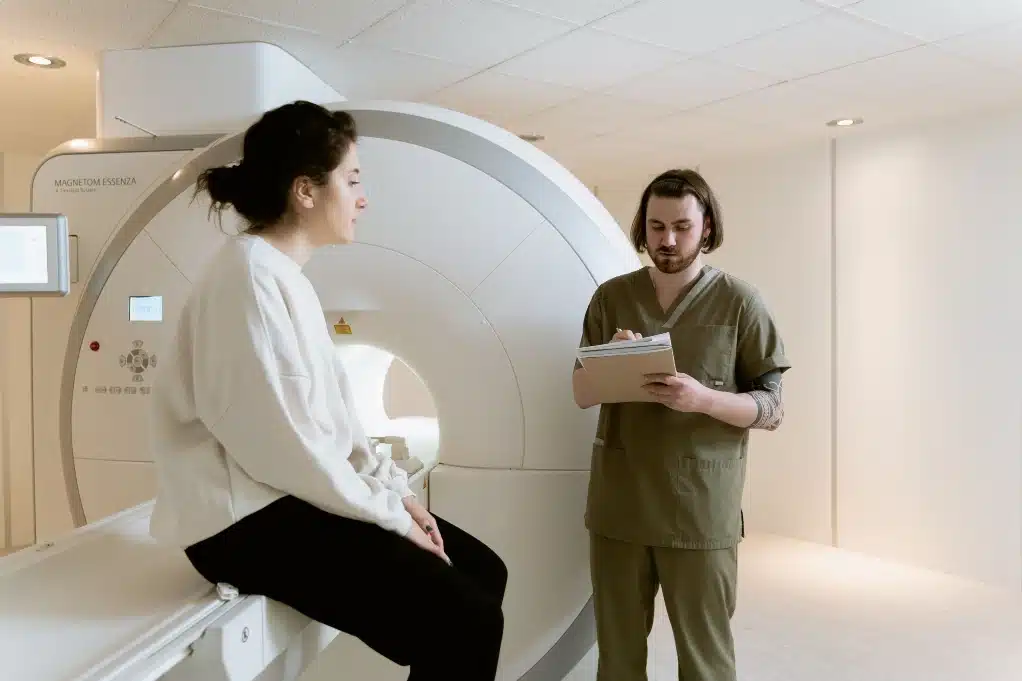
Magnetic Resonance Imaging (MRI) is a non-invasive diagnostic imaging test that uses magnetic fields and radiofrequency waves (without emitting radiation) to produce detailed, high-definition 3D images of the inside of the body.
 Diagnostic Tests
05 Oct 2026
7 Min
How to speed up the diagnostic process: The advantages of having a private medical test.
When a doctor requests a diagnostic test (such as an MRI, a CT scan, an ultrasound, or an endoscopy), getting the results quickly is essential to start the right treatment. However, waiting times for these tests can sometimes stretch to weeks or even months.