

Cardiac MRI
What does it consist of?
Cardiac Magnetic Resonance can be considered a comprehensive study technique of the heart, however, there are different modalities of cardiac MRI, each with a different objective in terms of the type of information to be obtained.
At CreuBlanca we perform the following cardiac magnetic resonance modalities:
- Functional cardiac MRI: basic module for the study of the physiology and activity of the heart. It evaluates the dimensions of the cavities, the thickness of the walls, the left ventricular mass and the functionality of the two ventricles, right and left.
- Cardiac stress MRI with adenosine (RCME): evaluates the condition of the coronary arteries and checks for signs of cardiac ischemia, that is, about the accumulation of plaque in the arteries of the heart that prevents the heart from receiving enough blood rich in oxygen.
- Functional cardiac MRI plus viability: evaluates myocardial viability in patients who have suffered an acute myocardial infarction. Through the injection of intravenous contrast (gadolinium) it is possible to observe which areas of the cardiac muscle present a partial or global dysfunction.
CASES IN WHICH IT IS RECOMMENDED
Who is it for?
Cardiac MRI can contribute to:
- Prevent future heart disease.
- Diagnose coronary pathologies in initial stages.
- Assess the extent of cardiac damage caused by a heart attack, being a great instrument to be able to apply the appropriate treatment.

INSTRUCTIONS
How should you prepare?
- Contrast administration: This exploration requiries intravenous contrast administration.
- Metal objects: The technician will give you the necessary instructions, provide you with a gown and ask you to remove any metal objects (jewelry, watch, piercings, hairpins, mobiles, dental prostheses and hearing aids).
- Heart devices: It’s important to tell the technician about any devices you’re implanted in your body (pacemakers, electrodes, and clips from previous surgeries).
- Hydration and lactation: Drink plenty of water to eliminate contrast from the body. If you are breastfeeding, you should stop for 48 hours. You should discard breast milk.

Medical professionals
The specialists who will assist you at CreuBlanca
A team of professionals to take care of you.


CreuBlanca centers
Find your nearest CreuBlanca center

Barcelona
Clinic CreuBlanca

Mataró
CreuBlanca Maresme Hospital
Related articles
CreuBlanca's blog
You will find from the hand of our professionals advice to improve your health and information on the latest technologies applied in the medical health sector.
 Diagnostic Tests
03 Nov 2026
4 Min
Helicobacter pylori: Symptoms and How It Is Diagnosed
Recurring stomach pain or acid indigestion after meals is often dismissed as simple upset stomach. However, in many cases, these persistent signs point to a widespread bacteria in the digestive tract. Recognizing the symptoms of Helicobacter pylori and understanding how it is diagnosed is key to resolving discomfort and preventing serious complications, such as gastric ulcers.
 Diagnostic Tests
27 Oct 2026
3 Min
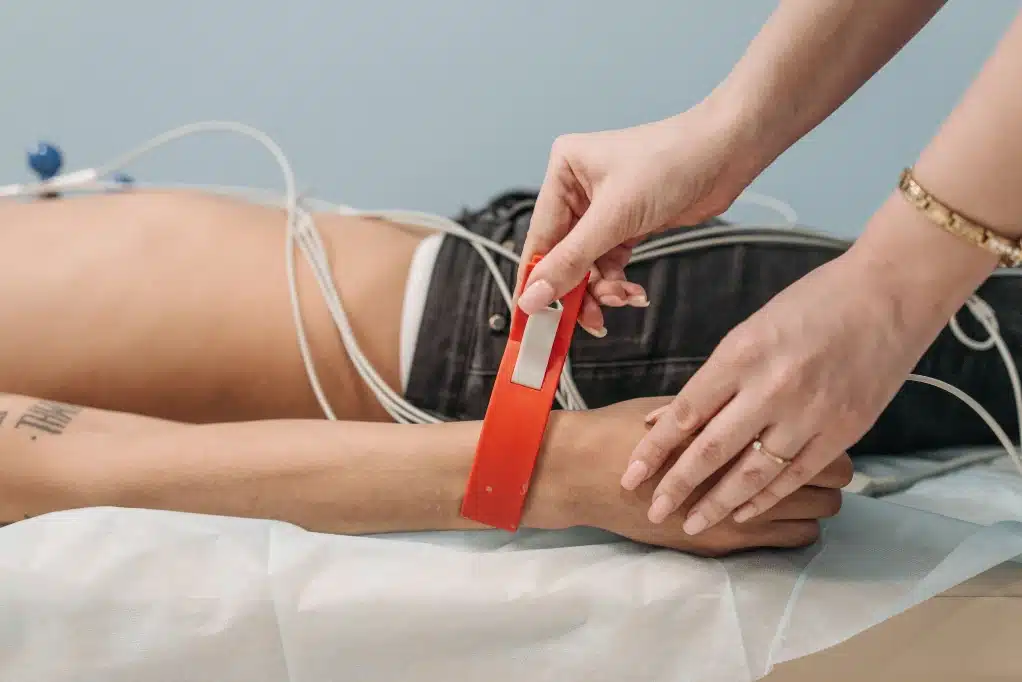
When should you get a cardiac check-up?
Cardiovascular health is the cornerstone of our overall well-being. A cardiac check-up is a comprehensive medical evaluation designed to assess the condition of the heart and blood vessels, enabling early detection of arrhythmias, hypertension, heart murmurs, or coronary artery disease risk before a major complication occurs.
 Diagnostic Tests
20 Oct 2026
3 Min
Magnetic Resonance Imaging (MRI): What it detects and when it is indicated
Magnetic Resonance Imaging (MRI) is a non-invasive diagnostic imaging test that uses magnetic fields and radiofrequency waves (without emitting radiation) to produce detailed, high-definition 3D images of the inside of the body.