

You're interested
Who is it for?
The vascular check-up is strongly recommended for people with cardiovascular risk factors such as high blood pressure, obesity, diabetes, high cholesterol, smoking or for those with a family history of cardiovascular disease or stroke. It is also intended for people who have symptoms of swelling, tiredness, tingling or numbness in the limbs and do not know the cause.
What it is
Most noteworthy medical tests
Consultation with a specialist: coordination, follow-up, delivery of results and monitoring
Full blood and urine analysis
Vascular echo-Doppler with mapping
Carotid echo-Doppler
CreuBlanca Centers
Our centers
Find your nearest CreuBlanca center.

Barcelona
Clinic CreuBlanca
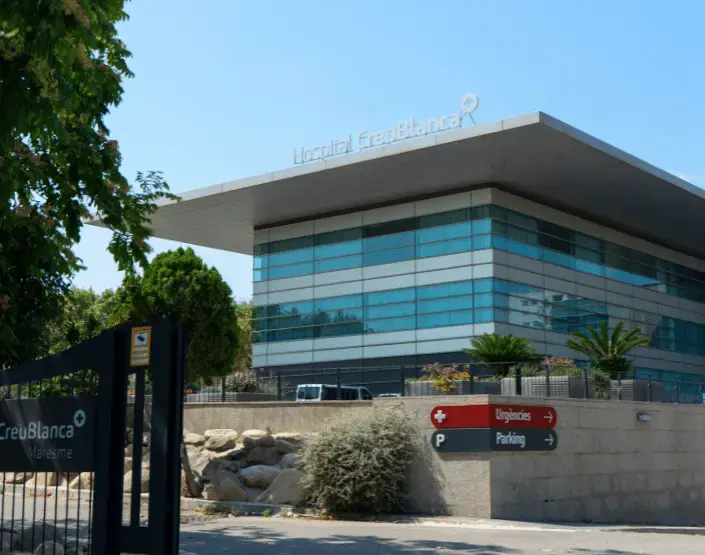
Mataró
CreuBlanca Maresme Hospital
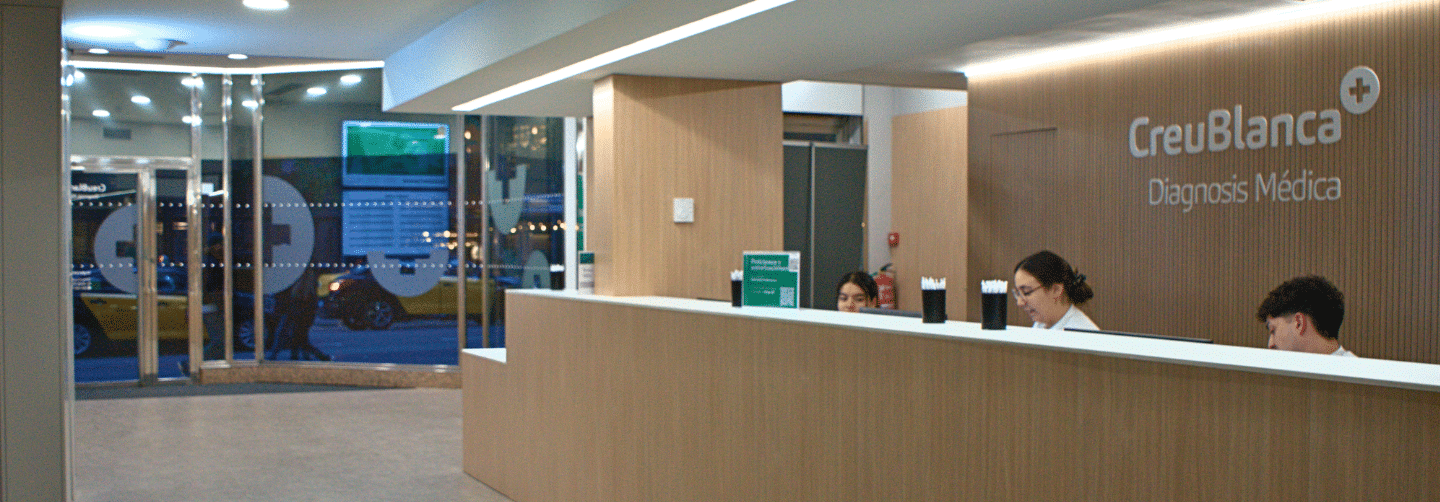
Barcelona
Diagnosis Médica
Related articles
CreuBlanca's blog
You will find advice from our professionals on how to improve your health and information on the latest technologies applied in the medical health sector.
 Diagnostic Tests
03 Nov 2026
4 Min
Helicobacter pylori: Symptoms and How It Is Diagnosed
Recurring stomach pain or acid indigestion after meals is often dismissed as simple upset stomach. However, in many cases, these persistent signs point to a widespread bacteria in the digestive tract. Recognizing the symptoms of Helicobacter pylori and understanding how it is diagnosed is key to resolving discomfort and preventing serious complications, such as gastric ulcers.
 Diagnostic Tests
27 Oct 2026
3 Min
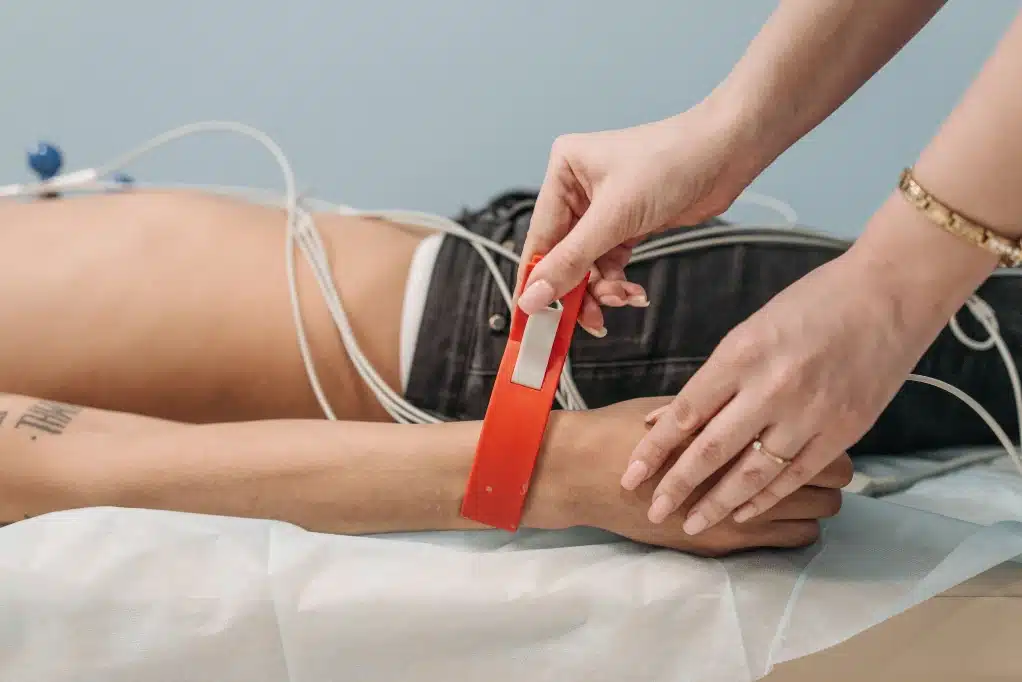
When should you get a cardiac check-up?
Cardiovascular health is the cornerstone of our overall well-being. A cardiac check-up is a comprehensive medical evaluation designed to assess the condition of the heart and blood vessels, enabling early detection of arrhythmias, hypertension, heart murmurs, or coronary artery disease risk before a major complication occurs.
 Diagnostic Tests
20 Oct 2026
3 Min
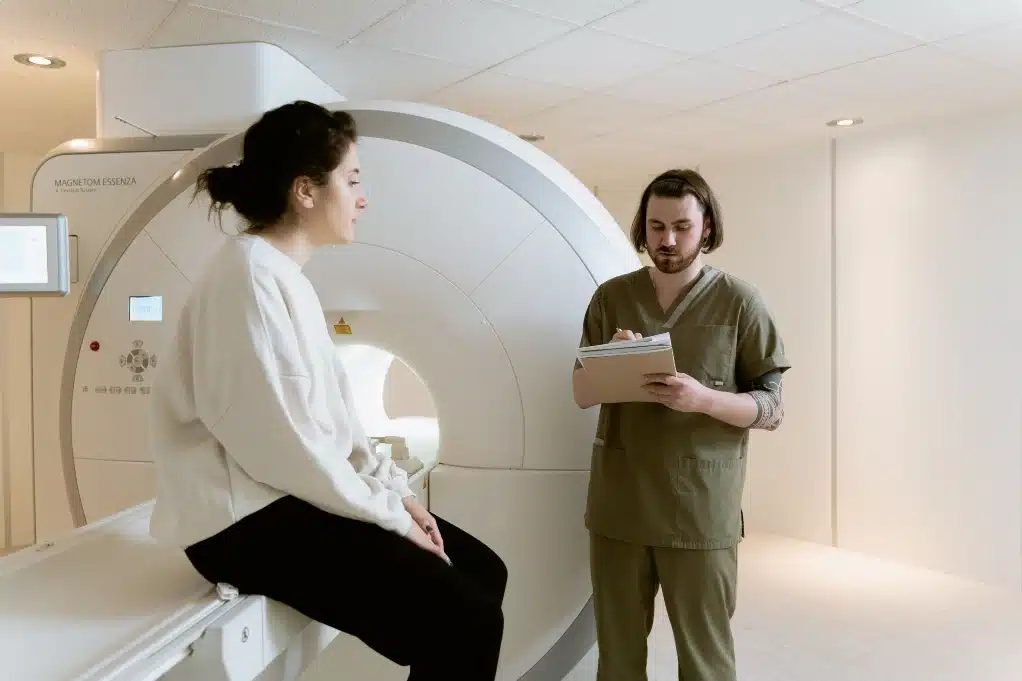
Magnetic Resonance Imaging (MRI): What it detects and when it is indicated
Magnetic Resonance Imaging (MRI) is a non-invasive diagnostic imaging test that uses magnetic fields and radiofrequency waves (without emitting radiation) to produce detailed, high-definition 3D images of the inside of the body.