

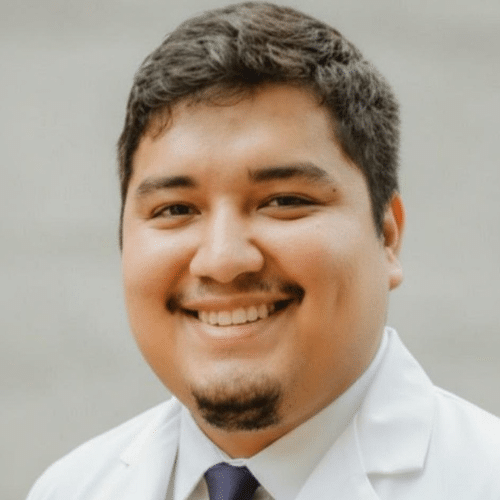
Dr Álvaro Juan Ojeda is a consultant nephrologist, graduated in Medicine from the University of Barcelona – Hospital Clínic i Provincial de Barcelona, an internationally recognised centre for medical training. He specialised at the Arnau de Vilanova University Hospital in Lleida, where he gained extensive experience in advanced kidney disease and renal replacement therapies. He furthered his training at Vall d’Hebron University Hospital and Sant Joan de Déu Hospital in Barcelona, focusing on kidney transplantation and hereditary kidney disorders. He is currently a consultant nephrologist at Granollers General Hospital, combining scientific rigour with a patient-centred approach.
CreuBlanca Centers
Our centers
Find your nearest CreuBlanca center

Barcelona
Clinic CreuBlanca
The opinion of experts
The CreuBlanca blog
You will find advice from our professionals on how to improve your health and information on the latest technologies applied in the medical health sector.
 Diagnostic Tests
04 Aug 2026
4 Min
Do you have to wait months for an MRI? Here is how you can get the test done quickly as a private patient
When a doctor requests a Magnetic Resonance Imaging (MRI) scan, the goal is usually to get a clear diagnosis to start treatment as soon as possible. However, appointment wait times can sometimes take longer than desired.
 Diagnostic Tests
30 Jul 2026
4 Min
Full Body Medical Check-up: what it includes and why it is the most advanced health check
A Full Body Medical Check-up (or whole-body health check) is the most advanced preventive medicine program currently available. Unlike conventional health checks, this assessment uses state-of-the-art diagnostic imaging technology to comprehensively evaluate the condition of vital organs, the vascular system, and the brain before the first symptoms appear.
 Diagnostic Tests
28 Jul 2026
4 Min
Colonoscopy: when to have it and how to prepare
A colonoscopy is the most effective medical test for exploring the inside of the colon and rectum. It allows for the early detection of abnormalities such as polyps, the diagnosis of intestinal diseases, and the prevention of colon cancer.