

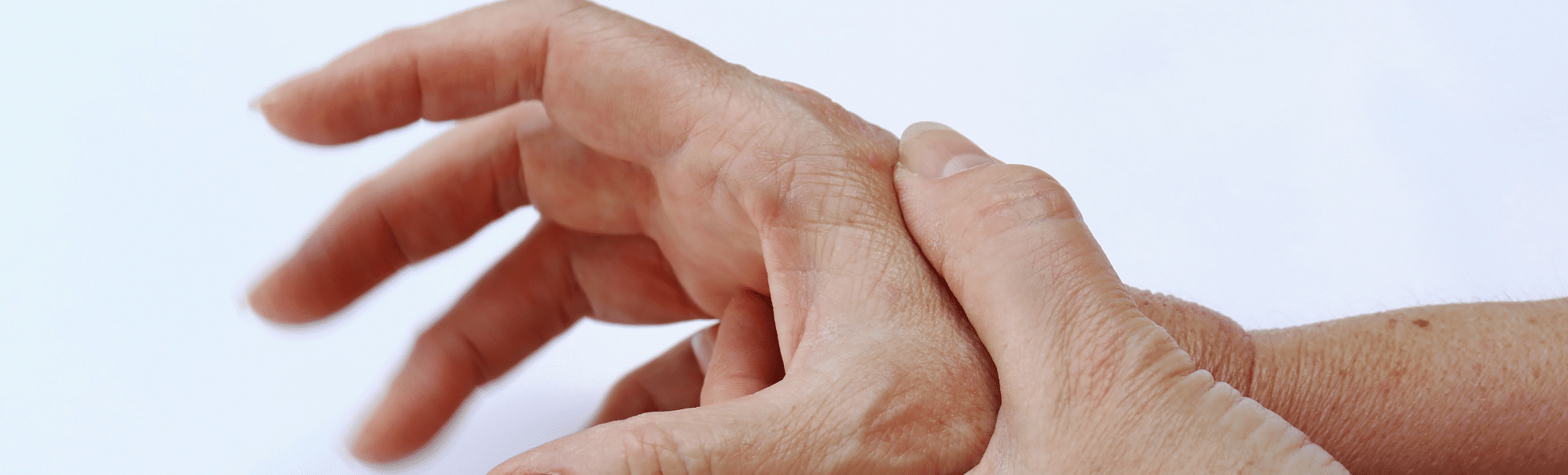
Stiffness in the hands or fingers can appear gradually or after an injury. It is sometimes noticed upon waking, after keeping the hand still for a while, or when trying to perform everyday gestures such as buttoning a shirt, opening a jar, using a mobile phone or turning a door handle.
Although many people directly associate it with pain, this is not always the case. In some cases, the main symptom is difficulty moving the fingers, a feeling of a “stiff” hand or a progressive loss of strength and functionality.
Hand stiffness is not a disease in itself but a manifestation that may have different causes. That is why identifying which structure is limiting movement is key to choosing the most appropriate treatment.
What is hand and finger stiffness?
Doctors refer to stiffness when there is a limitation in moving a joint or finger normally. The patient may notice that the fingers feel stuck, reduced mobility, difficulty closing or opening the hand, loss of strength or discomfort when performing certain movements.
This stiffness may affect one or more structures involved in hand movement, such as the joints, tendons, soft tissues or skin. For this reason, not all cases are the same and they should not all be treated in the same way.
In some people, it appears suddenly after trauma or an injury. In others, it progresses gradually over days, weeks or even longer.
Main causes of hand stiffness
It can have multiple causes. The most common include:
- Osteoarthritis or joint wear, which can progressively limit movement.
- Inflammatory diseases, which affect the joints or tissues.
- Trauma or previous injuries, especially if they have left after-effects.
- Scars, which can make tissue mobility more difficult.
- Alterations of the tendons or soft tissues, which prevent the hand from moving normally.
- Dupuytren’s disease, a condition in which scar-like tissue appears under the skin and can limit finger extension.
In all these cases, the aim of diagnosis is to understand what is causing the stiffness and to what extent it affects hand mobility and functionality.
When to seek medical advice
It is advisable to consult a specialist if you notice that it interferes with everyday tasks or if mobility worsens over time.
Some signs that should not be ignored include:
- difficulty closing or opening the hand;
- a feeling of hard or locked fingers;
- loss of strength;
- difficulty buttoning clothes, opening jars or using a mobile phone;
- pain associated with movement;
- stiffness that appears after an injury;
- progressive limitation of mobility.
Treating stiffness in its early stages usually makes recovery easier. When the problem progresses, tissues can become harder and treatment may require more time.
This assessment makes it possible to guide treatment and decide whether the approach should be conservative, rehabilitative or surgical.
Treatment of hand stiffness: rehabilitation and surgery
In many cases, hand stiffness can be treated conservatively, without the need for surgery. This approach is usually based on specialised rehabilitation, adapted to the cause and to each patient’s progress.
Treatment may include passive mobilisations, specific active exercises, progressive mobility work, custom-made splinting —static or dynamic— and exercise guidelines to follow at home. Patient involvement is key, as following the instructions correctly outside the consultation can make a significant difference to recovery.
When, after an appropriate rehabilitation protocol, there is not enough improvement or the affected structure requires surgical correction, surgery may be considered. There is no single procedure to treat all types of stiffness: the approach will depend on the specific cause and the structures involved.
After surgery, rehabilitation once again plays a fundamental role in recovering mobility, strength and functionality. At CreuBlanca, coordinated work between hand specialists, rehabilitation physicians and physiotherapists makes it possible to adapt treatment to each case and make decisions according to the patient’s progress.
Hand stiffness: you do not have to accept it as normal
Hand stiffness can limit small gestures that are very important in everyday life. Buttoning a shirt, opening a door, cooking, writing or using the phone can become difficult actions when the hand loses mobility.
For this reason, in the case of persistent or progressive stiffness, it is important to seek a specialised assessment. Early diagnosis, appropriate treatment and well-directed rehabilitation can help recover strength, mobility and functionality.
At Hospital CreuBlanca Maresme, the Hand and Upper Limb Unit works in coordination with rehabilitation and physiotherapy to offer a personalised approach to hand and finger stiffness.
If you notice that your hands feel stiff, that you find it difficult to move your fingers or that you have lost strength in everyday gestures, you can request an assessment with the CreuBlanca team. Detecting it early can help you recover mobility and prevent the limitation from progressing.